Cab-Over vs Conventional: Why European and American Lorries Look So Different
Park a 1970s Kenworth beside a 1970s Scania and the contrast is almost comic: one has a bonnet long enough to land a light aircraft on, the other has a windscreen where the bonnet should be. Both pulled forty-foot trailers. Both burned diesel by the gallon. The shape of each was decided long before the designer picked up a pencil — it was settled in a statute book.
Europe measured the whole outfit
In most of post-war Europe, the rules set a maximum length for the complete combination: tractor unit included. That single clause changed everything. If the cab and engine took up three metres, those three metres came straight out of the load bed. Chop a metre off the front and you gained a metre of deck, a metre of container, a metre of revenue.
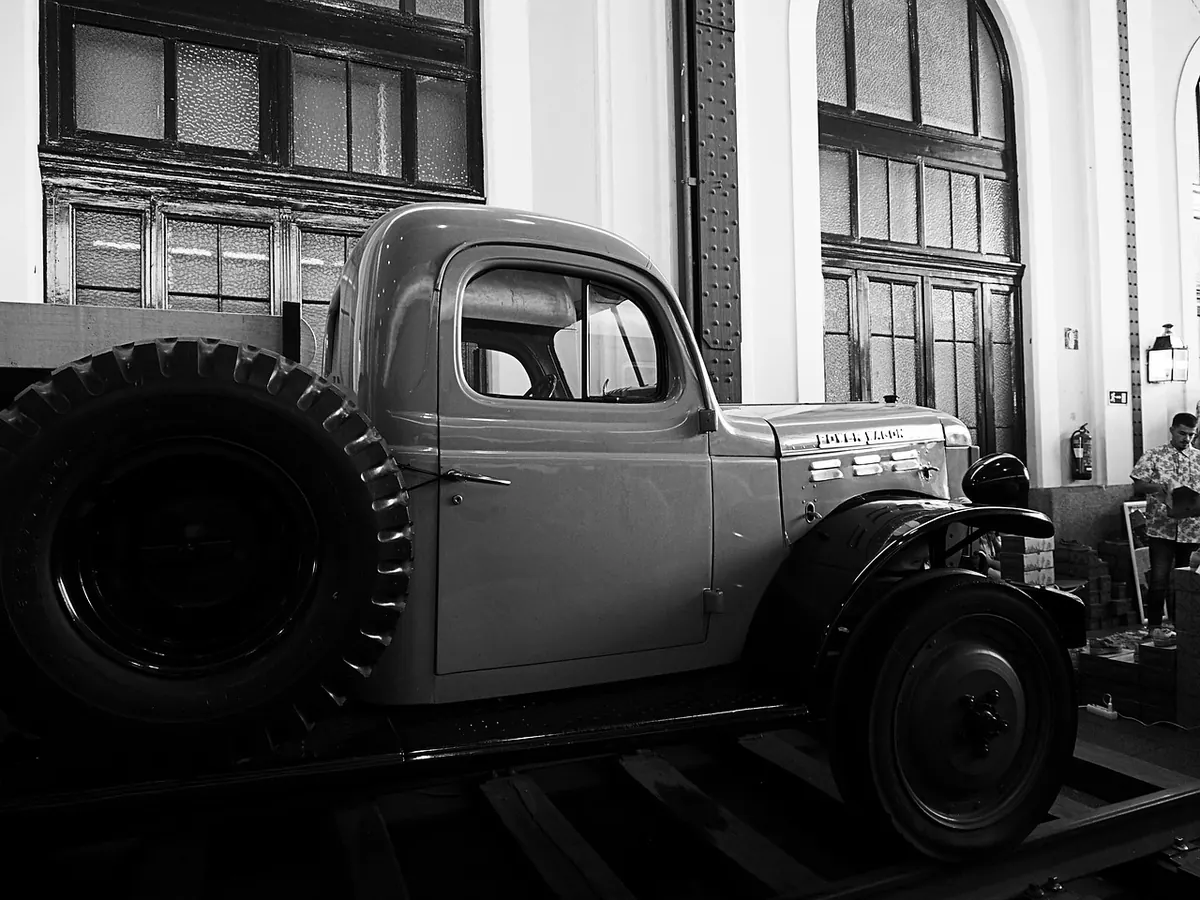
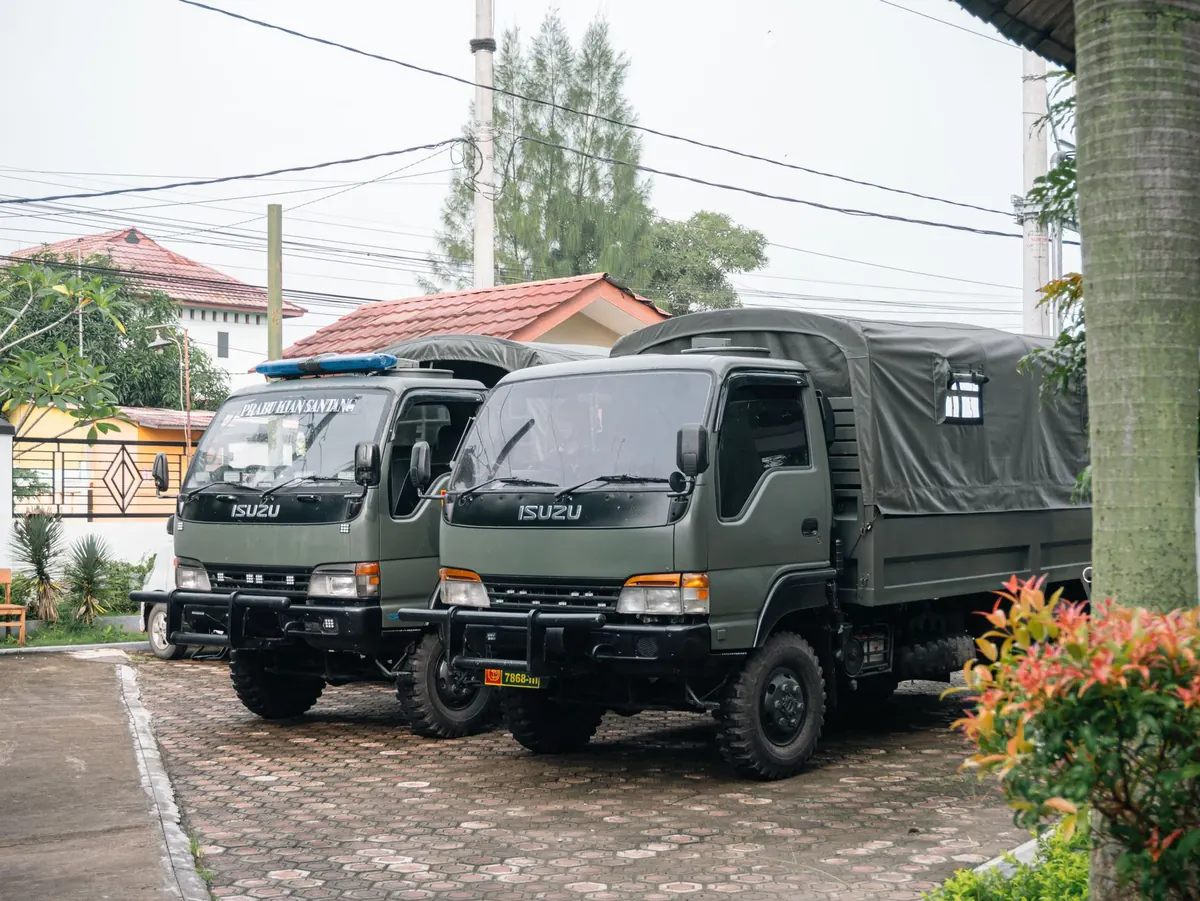
So European makers moved the driver forward and sat him on top of the engine. By the 1960s the flat-front or cab-over-engine layout had taken over in Britain, Germany, the Netherlands, Sweden and Italy, and it never really gave the ground back. The bonneted lorry survived in Europe only where length wasn't the binding constraint — heavy haulage, timber work, construction — or where a specific job needed the extra front axle clearance.
America counted a different bit of the truck
Across the Atlantic, state rules varied wildly. Some states capped the trailer alone. Others capped the whole combination, which is why Eastern and Midwestern fleets bought cabovers by the thousand through the 1950s, 1960s and 1970s — it was the only way to pull a long trailer and stay legal. Out west, where trailer-length rules were common and overall limits were rare, the long-nose conventional stayed king.
The 1982 Surface Transportation Assistance Act shifted the ground under everyone. It set national minimums — a 48-foot trailer and 102 inches of width on the designated network — and stopped states from applying overall length limits to those combinations. Later legislation let longer trailers be grandfathered in. Within a decade, American fleets were back to conventionals, and the cabover became a niche machine for refuse, drayage, car carriers and city work.
Narrow lanes and tight yards
Length laws aren't the whole story. European roads punished width and rewarded agility. The maximum legal width is 2.55 metres, and plenty of town centres, farm tracks and delivery yards were laid out decades before anyone thought about a 40-tonne artic. Tight turning circles are written into the type-approval rules precisely because drivers have to get into places that were never designed for them.
The flat-front cab helps here. The driver sits over the steer axle, so he sees the road immediately in front of the bumper and can place the truck in a cramped yard with a confidence that a bonneted driver simply doesn't have. Add ferries, docks and loading bays built to a standard combination length, and the incentive to keep the tractor short is constant.
In the United States, the picture is the opposite. Lanes are wide, shoulders are generous, terminals are built for 53-foot trailers and long wheelbases, and much of the driving is straight-line interstate work at steady speed. A long bonnet is not a liability there. It's a comfortable, quiet place to spend a 600-mile day.
Axle weights and the bridge formula
American weight law also rewards length. The Federal Bridge Formula ties the gross weight a combination may carry to the spacing between its axles, so spreading axles further apart permits more legal payload. A conventional tractor with a set-back front axle hands you a long wheelbase for free. Shortening the truck to cabover dimensions can cost you weight capacity unless you compensate elsewhere.
European limits work differently: they're driven by gross combination weight, drive-axle loading and the 16.5-metre articulated limit, with 18.75 metres for road trains in countries that allow them. Within that envelope, a short tractor means a longer trailer, and a longer trailer means more pallets.
Two ways to spend the same cab
Because Europe allows four metres of height, the cabover's flat floor can be turned into a genuinely roomy cab. Drivers who spend a week or more out on the road get a level floor, a bunk across the back and standing room at the coffee machine. The trade-offs are real, though:
- Ride: sitting over the steer axle gives a firmer, busier ride than sitting behind a long nose and a heavy engine.
- Noise and heat: the engine is under your feet, so insulation matters more than it does in a conventional.
- Access: tilting the cab gives good engine access, but you need space in front to do it — and the tilt rams and cab mounts are wear items.
- Crash structure: a bonnet puts metal and air between the driver and whatever is hit, which is a large part of why American buyers stayed loyal.
- Visibility: flat-front wins in cities; long-nose wins for cooling, engine-bay space and the ability to work on the engine with the hood up.
The lines are blurring again
Look at Australia and you'll see the same logic playing out under different rules: both layouts sell well, and which one you buy depends on the combination length you're allowed and the roads you run. In Europe, bonneted trucks still appear on heavy haulage and in specialist fleets, and recent rule changes that allow a little extra length for aerodynamic cabs and zero-emission drivetrains have European makers stretching the flat-front cab rather than abandoning it. In North America, cabovers hold on in vocational work where manoeuvrability beats bonnet length.
None of this is about taste. A truck is the shape its laws allow it to be.
What this means if you own, drive or model them
If you're buying, importing or restoring, the layout question turns into a practical checklist:
- Check the length limit first. A bonneted American tractor imported into Europe eats into the 16.5-metre articulated limit, which usually means a shorter trailer or a fifth-wheel position further forward than the maker intended.
- On a cabover, inspect the tilt mechanism before anything else. Rams, pivots and cab mounts fail quietly, and a cab that won't tilt turns a simple service into a crane job.
- Look for cab rust at the windscreen surround, behind the front wheel arches and around the floor. Flat-front cabs collect water where a bonneted truck drains it.
- On a conventional, budget for hood hinges, radiator and aftercooler work, and the wiring loom that lives under the bonnet. Mechanical access is easier, but
Photo: SMKN 1 GANTAR / Pexels