Storing Your Model Lorry Collection: A Seasonal Humidity and Dust Checklist

A collection of diecast and plastic lorries can sit on a shelf for fifty years, or start cracking within three, and the models themselves are rarely the deciding factor. It is the air around them: winter damp, summer heat, the strip of afternoon sun that crosses a cabinet, the dust that works into the gap behind a cab. None of it looks dramatic on any given day, which is exactly why it goes unnoticed until paint lifts or a tyre leaves a mark on a windscreen. Here is how the seasons treat a collection, and what to do about it.
Your Cabinet Is a Small Climate of Its Own
Rooms are not uniform. A spare bedroom that feels comfortable at ankle height can be noticeably more humid near a window, and a glass-fronted cabinet in a bright spot behaves like a small greenhouse: it traps warm air during the day and cools faster than the wall behind it at night.
Metal and plastic respond to that at different rates. When warm, damp air meets cold cast metal, moisture condenses on the surface — and it does so in places you cannot see, inside wheel arches, between a chassis and its base, under a glued-on load. Judge a storage spot by its worst hour, not its average one.
Winter: Damp Air, Cold Metal and Zinc Pest
Winter is the season that does quiet structural damage. Older diecast models made from zinc-based alloys can develop what collectors call zinc pest: an intergranular corrosion that makes castings swell, warp and crack, showing up as splitting wheels, a body that no longer sits flat, or paint lifting from underneath. Damp does not cause it on its own, but it helps it along, and the damage will not reverse. If you spot it, isolate the model from the rest of the collection, keep it dry, and do not force warped parts back into shape.
The rest of winter's damage is more mundane: rust blooming on axles and steel screws, decals curling at the edges, mould creeping across card boxes and paper inserts. Keep storage off external walls and off the floor. If you run a dehumidifier, run it long enough to make a real difference rather than in ten-minute bursts.
Summer: Heat, Soft Glue and Tacky Tyres
Lofts and garages can get properly hot, and heat is the enemy of anything glued, cast or rubbery. Decals soften and slide, plastic and resin bodies can warp under their own weight, and rubber tyres harden, crack or turn sticky as plasticisers migrate out of them. That stickiness then transfers to whatever the tyre touches — painted bodies, glazing, shelf surfaces.
Two habits help. First, avoid shelf liners and padding made from PVC, self-adhesive felt or cheap foam; they can react with paint and leave a permanent sheen or print. Second, do not park models nose-to-tail or let tyres rest against painted panels for months at a time. A little space between models costs nothing and prevents a surprising number of marks.
Sunlight, the Damage You Notice a Year Later
Ultraviolet light works slowly and then all at once. Painted liveries fade unevenly, clear plastic windscreens and packaging blisters yellow, rubber perishes, and box artwork bleaches to a pale ghost of itself. A cabinet in a south-facing window is the worst case, but bright indirect light over a few years is enough.
Curtains and blinds only help while they are closed, and collectors open them. It is usually easier to move the models: rotate the display, keep the most valuable pieces in the least-lit corner, and treat direct sun as a reason to relocate rather than a reason to redecorate. If a model has spent years in a bright spot, expect the paint under a decal to be noticeably darker than the surrounding paintwork.
A Room-by-Room Checklist
- Spare room or study: usually the best option — stable temperature, low traffic, no steam. Keep cabinets off external walls where you can, and check winter humidity with a cheap hygrometer before you trust the room.
- Loft: fine for empty boxes, risky for models. Summer heat and winter cold swings are brutal. If models must live up there, use sealed crates with silica and accept that any card stored alongside them will age.
- Garage: damp, fumes and temperature swings. Not a long-term home for paint or decals — a well-sealed crate for overflow, nothing more.
- Basement or cellar: check for rising damp and flood risk first. Raise everything on slatted shelving and never sit card boxes directly on concrete.
- Kitchen and bathroom walls: steam finds its way into cabinets. Keep collections out of both, including cupboards on the far side of a bathroom wall that feel cold and clammy.
- Display cabinet: fit a dust seal if the doors are loose, dust with a soft brush and a microfibre cloth rather than furniture polish, and keep silicone sprays well away from painted models.
Silica Gel, Archival Boxes and What Not to Wrap Them In
Silica gel only earns its keep in an enclosed space. A sachet in an open room does nothing; a sachet in a sealed crate or a tight cabinet absorbs moisture until it is spent. Indicator types change colour when exhausted and can usually be dried out again in a low oven — follow the maker's instructions rather than guessing, and recharge them before the damp season rather than after.
For long-term boxed storage, choose acid-free, lignin-free boxes and unbuffered tissue where it will touch metal parts. Standard shoeboxes and kit cartons are acidic and hold moisture, so treat them as originals to preserve rather than as storage. Avoid PVC bags and cling film, which can release plasticisers onto paint; polyethylene and polypropylene bags are a safer choice. Bubble wrap is fine for transport, but for years on a shelf, tissue between model and wrap reduces the chance of marks.
If your collection is valuable or insured, check your policy's storage conditions before you reorganise anything. And if the building itself has a damp problem, treat that as a property issue first: a surveyor's advice will do more good than any number of sachets.
A Seasonal Routine You Can Actually Keep
None of this needs to become a project. Four short checks a year catch almost everything.
- Autumn: before the heating goes on, dust the cabinet, clean the glass, check door seals and put fresh silica in sealed crates.
- Winter: glance at cold metal and glazing weekly for condensation, and keep models away from external walls and floors.
- Spring: recharge or replace silica, inspect tyres for stickiness, and check card boxes for mould or a musty smell.
- Summer: move anything out of a loft or a sunny window, and make sure no tyre is resting against a painted surface.
Twenty minutes, four times a year. That is the whole routine — and it is far less work than repairing a warped diecast lorry in ten years' time.
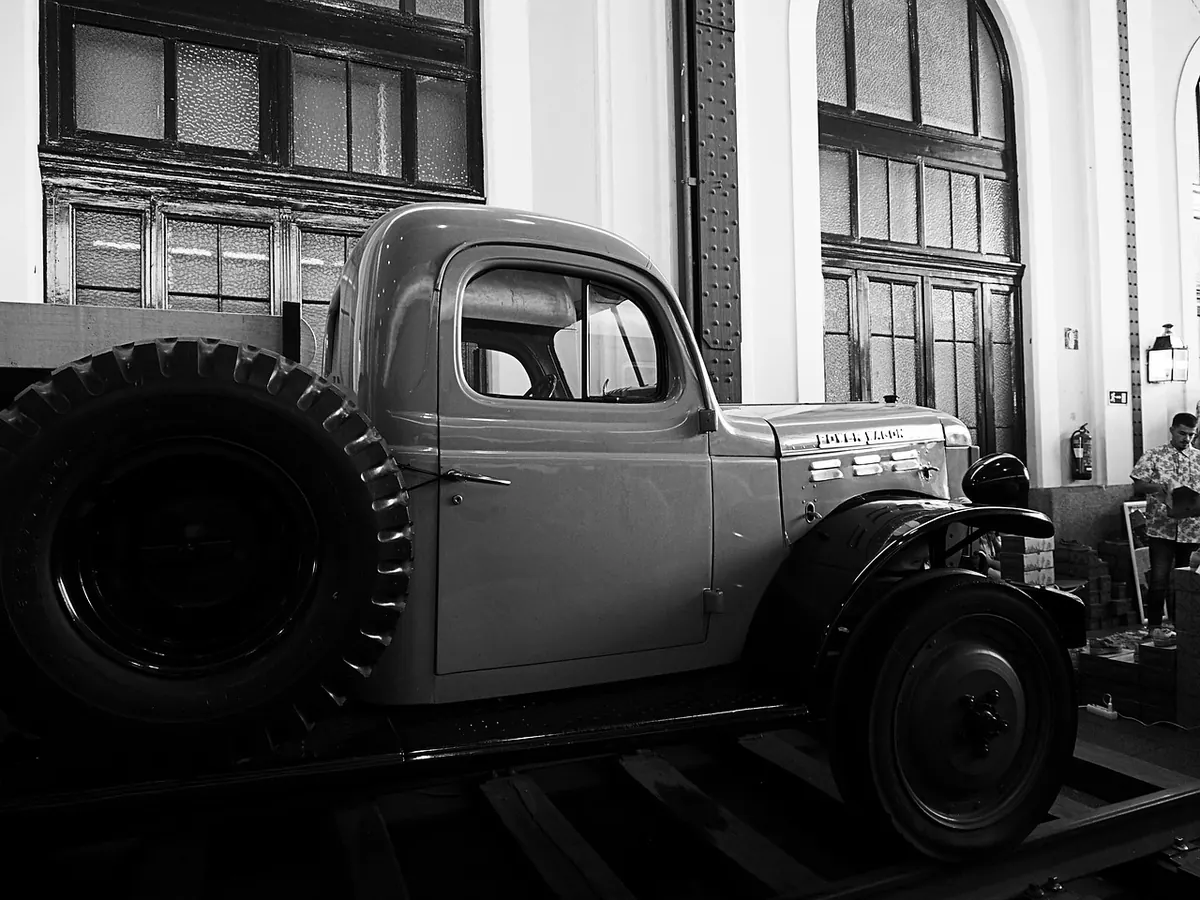
Photo: tianya1223 / Pixabay