Slot Volatility Explained: Why Your Bankroll Matters
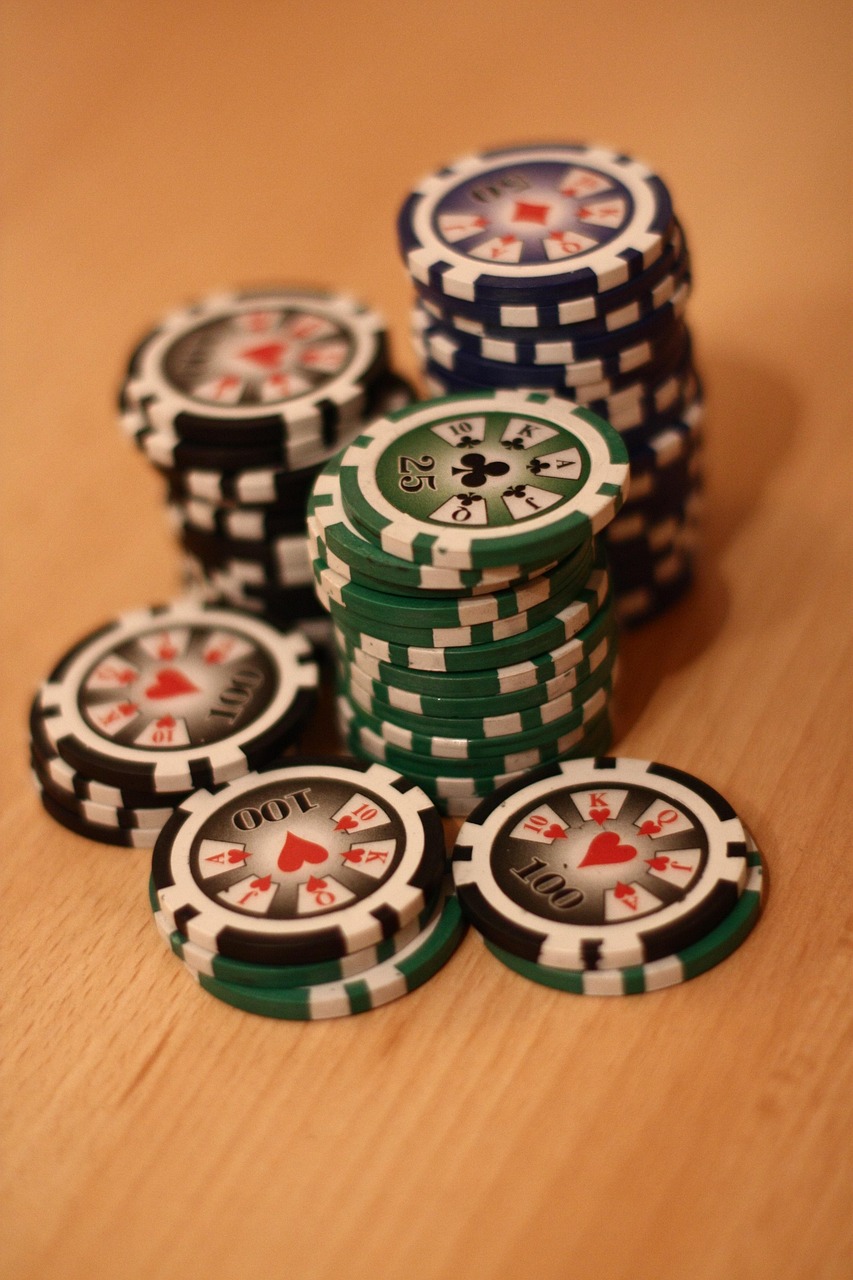
Two players sit down at the same online slot. Same game, same stake, same session length. One walks away up 80 units, the other busts their balance in twenty minutes. Neither player did anything wrong. The difference comes down to something most casual gamblers never think about until it's too late: volatility. Understanding how variance works isn't just academic trivia for math nerds — it's the single most practical piece of knowledge you can carry into any casino lobby, whether you're spinning reels, grinding a poker table, or sweating a live bet.
Let's break down what volatility actually means, how it shapes your experience, and how to match it to your bankroll instead of fighting it.
What Slot Volatility Really Means (Beyond the Marketing Labels)
Every slot has two core numbers that matter: RTP (return to player) and volatility. RTP tells you the theoretical percentage returned over millions of spins — a 96% RTP game keeps 4% on average. Volatility tells you how that return gets delivered. High-volatility slots pay rarely but potentially huge. Low-volatility slots pay often but in smaller amounts.
Here's the part most players miss: two games with identical RTP can feel completely different. A 96% RTP low-volatility slot might hit a win on 1 in 4 spins, keeping your balance relatively stable. A 96% RTP high-volatility game might go 40 spins without a single payout, then drop a 500x multiplier. Same expected value over time, wildly different session experiences.
Think of it like two lottery systems. One gives you a dollar back every few tickets. The other gives you nothing for weeks, then a thousand dollars. The math balances out — your patience doesn't.
Reading the Signals: How to Spot a Game's Variance Before You Spin
Developers don't always slap a "high volatility" sticker on the box, but there are reliable tells:
- Max win caps: Games advertising 10,000x or 50,000x potential are almost certainly high volatility. Pragmatic Play's Gates of Olympus (5,000x max) and Nolimit City's brutal San Quentin (150,000x) sit at the extreme end.
- Hit frequency stats: If a provider publishes these (some do in their game sheets), anything under 20% is spicy. Above 30% is a gentler ride.
- Bonus feature design: Free spins with sticky wilds, expanding multipliers, or "collect" mechanics usually signpost high variance. You're chasing a rare, explosive feature.
- Bet sizing defaults: Low-volatility classics like Starburst or Blood Suckers feel forgiving because wins trickle in constantly — that trickle is your cushion.
A quick rule of thumb: if the theme screams "epic jackpot" and the max win is astronomical, size down your bets. If it's a fruity, cheerful 3-reel throwback with a modest 500x cap, you can usually press a bit harder.
Bankroll Math That Actually Works
Here's where theory becomes survival. A common guideline is to have at least 100 betting units for low-volatility play, 200–300 for medium, and 500+ for high. Let's make it concrete:
- You deposit $200. You want to play a high-volatility slot with a $0.10 minimum and a reputation for 30-spin dry spells.
- Divide your bankroll by your stake: $200 ÷ $0.10 = 2,000 units. That sounds huge, but high-volatility games can burn 500 units in a bad stretch.
- If you insist on $1 spins (a 200-unit bankroll), the math says you have roughly a 30–40% chance of busting before any meaningful feature lands on a typical volatile game.
Players who understand this don't complain that "the slot is rigged" after a bad hour. They sized down. They set a stop-loss at 50% of deposit. They treated the session as entertainment with a cost, not an ATM run. We found mahjong slot to be a handy reference here.
Volatility Isn't Just a Slot Thing: Poker and Sports Betting Edition
Tournament poker is the high-volatility cousin of cash games. Sit-and-go players grind small, steady edges with low variance; MTT (multi-table tournament) players endure 90% of their events ending in nothing, chasing the 10% that final-table for six figures. Neither is "better" — they just demand different bankrolls and different temperaments.
Sports betting follows the same logic. A -110 spread bet on a single NBA game is low volatility: roughly 50/50, small swing. A 5-leg parlay paying +3,000 is lottery-ticket territory. Same sport, completely different risk profiles. If you're building a long-term bankroll, straight bets and slight edges compound. If you're chasing a single score, parlays and futures are the volatile route — just don't pretend the two are equivalent strategies.
Matching Volatility to Your Personality (Honestly)
Here's the uncomfortable truth: most players pick high-volatility games, then behave as if they're playing low-volatility ones. They buy in for $50, spin $2 a pop, and rage when the balance vanishes in fifteen minutes. That's not bad luck — that's a mismatch.
Do an honest audit:
- Do you hate long dry spells? Play low or medium volatility. Book of Dead fans who also hate 100-spin droughts are setting themselves up for misery.
- Do you only get excited by huge multipliers? Then accept that most sessions will lose, budget accordingly, and treat a 1,000x hit as a bonus, not a plan.
- Are you playing to relax? Low-volatility reels with frequent small wins keep the dopamine flowing without gutting you. That matters more than chasing a jackpot screenshot.
- Are you playing to build a bankroll for a poker trip? Then grind cash games, not slots. The edges are real there; in slots, the house has the edge by design.
The Practical Takeaway
Volatility is not a bug in the system. It's the system working as intended — it's how casinos and providers balance risk and reward across thousands of players and billions of spins. The players who stick around longest aren't the ones who hit the biggest multipliers once. They're the ones who understand variance, size their bets accordingly, and never let a dry spell talk them into chasing losses.
Next time you open a new slot or place a bet, ask two questions before your first spin: What's the volatility, and does my bankroll actually support it? Answer honestly and you'll have a far better time — regardless of what the reels decide to do.