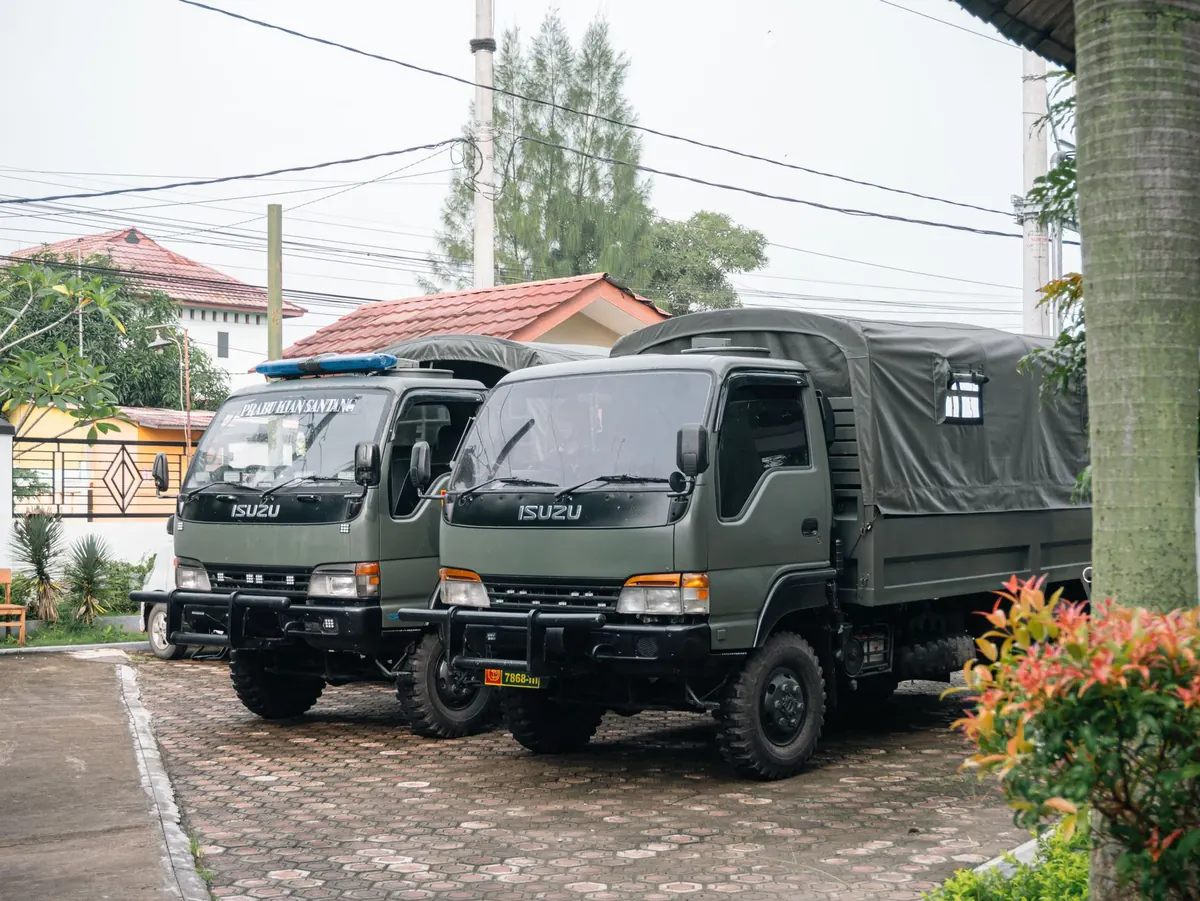
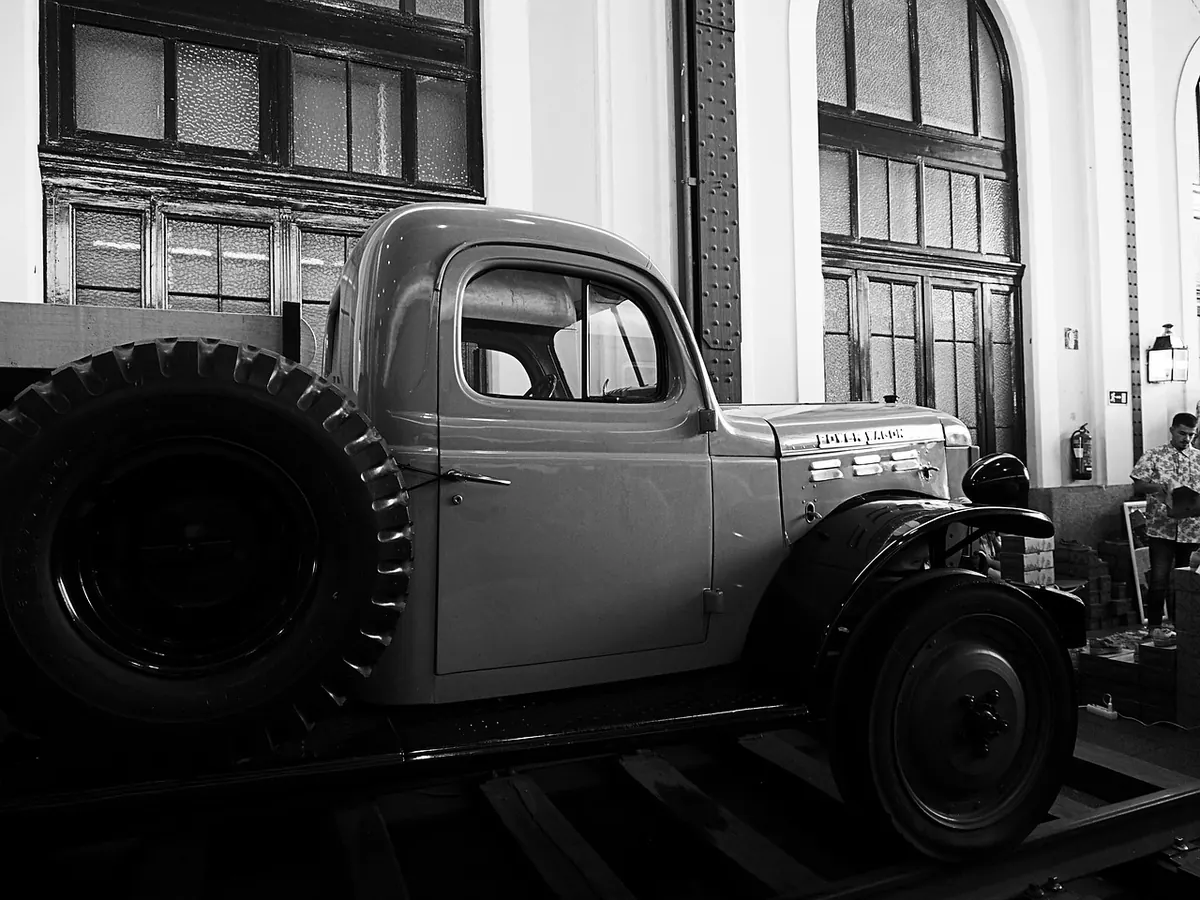
The Lorry Spotter's Checklist: 25 Truck Types to Identify on a Motorway Day Out

Truck spotting is one of those hobbies that costs nothing and pays you back in small, specific pleasures: a rare eight-wheeler with a rear-mounted crane, a skeletal container trailer running on three axles, a low-loader with a digger chained down properly. No permit, no club, no subscription. You need a decent spot, a bit of patience and something to write on.
Motorways are the richest hunting ground. They funnel everything into a few lanes of moving metal — supermarket artics, cement mixers, car transporters, recovery trucks with their beacons switched off. Below are 25 truck types to tick off in a single trip, from the everyday rigids to the specialists that make you stop mid-sentence.
Choose Your Spot and Your Hours
Where you stand decides what you see. A motorway service area is the best single option: vehicles slow down, park up, and you get long, unhurried looks at trailers, liveries and loads. A bridge crossing the motorway gives a clean overhead view of decks, tanks and axle counts. Truck stops on A-roads and the entrance to a distribution park are also productive, as long as you can park legally nearby and watch from a safe distance.
Timing matters more than luck. Aggregate tippers, mixers and skip lorries move early. Parcel and supermarket fleets build through the middle of the day. Trunking — long-distance runs between depots — happens overnight and in the small hours, which is when container and refrigerated trailers are thickest on the ground.
Take a small kit with you:
- A printed tick-list and a pen that works in the cold
- Compact binoculars or a phone with a zoom lens
- A flask, a waterproof jacket and a notebook for fleet names, trailer numbers and registration prefixes
- Good shoes — you will stand still for longer than you expect
The Rigids: Types 1 to 8
A rigid has the cab and body on one chassis, running from front bumper to tail. They are the backbone of local and regional work, and they are easy to tell apart once you start looking at the body rather than the badge.
- 1. Box rigid. Solid-sided, often with a tail lift and a roller shutter door. Delivery work.
- 2. Curtainsider rigid. Tensioned curtain with straps and buckles down the side. General haulage.
- 3. Flatbed rigid. No sides, load strapped or sheeted — steel, timber, pallets, concrete products.
- 4. Tipper. Raised-sided body that tips backwards, usually an eight-wheeler on aggregate or muck-away work.
- 5. Skip loader. Open body with a chain hoist or hooklift arm over the cab. Look for the empty skips nearby.
- 6. Refuse collection vehicle. Narrow rear hopper, bin-lifting arms, low speeds and frequent stops.
- 7. Concrete mixer. Rotating drum, chute at the back, often seen in convoy heading for a site.
- 8. Dropside with a crane. Flat body with a folding loader crane behind the cab — builder's merchant territory.
The Articulated Trucks: Types 9 to 15
An articulated truck is a tractor unit pulling a semi-trailer, and the trailer is where the story is. Train your eye on the gap between unit and trailer, then work backwards.
- 9. Standard curtainsider artic. The default general-haulage machine, usually a three-axle trailer.
- 10. Box trailer artic. Fully enclosed, often branded from roof to deck. Watch for rear doors or a roller shutter.
- 11. Double-deck trailer. Extra depth in the body and a steep drop to the rear doors. Parcel and pallet networks.
- 12. Refrigerated artic. White panels, a chiller unit mounted high on the front bulkhead, condensation on the doors.
- 13. Flatbed artic. Open trailer with strapping, chains or a tarpaulin. Steel coils, timber, machinery.
- 14. Skeletal container trailer. Bare frame holding a shipping container, twist locks visible at the corners.
- 15. Low-loader or step-frame. Dropped deck, ramps, outriggers and plant chained down. Rare enough to count as a good day.
Tankers and Bulk Carriers: Types 16 to 20
Tankers are their own sub-hobby. Shapes, materials and hazard plates all tell you what is inside, and a polished stainless barrel in the sun is a genuinely fine sight.
- 16. Fuel tanker. Multi-compartment barrel, orange hazard plates and a bunded valve cabinet at the rear.
- 17. Food-grade tanker. Highly polished stainless steel, often with a visible washdown hatch on the top.
- 18. Powder tanker. Bulbous barrel with discharge pipework and a compressor unit. Cement, flour, lime.
- 19. Chemical or bitumen tanker. Insulated or lagged barrel, sometimes with trace heating. Treat these with respect and admire from a distance.
- 20. Bulk tipper trailer. An artic with a tipping body — aggregate moved long distance rather than locally.
The Specialists: Types 21 to 25
These are the ticks worth a page of their own. Most run to a schedule you cannot predict, which is exactly why they feel like a reward.
- 21. Car transporter. Two decks, hydraulic ramps, a cab-over body and a load of shiny hatchbacks angled down the length of the trailer.
- 22. Livestock transporter. Vented or slatted sides, multiple decks, a distinctive smell if you are stuck behind one at a service area.
- 23. Mobile crane. Telescopic or lattice boom folded over the cab, outrigger legs and counterweight stacked on the carrier.
- 24. Recovery truck. Slidebed with a winch, or an underlift boom for lifting by the front axle. Beacons and chevrons.
- 25. Abnormal load combination. Heavy tractor unit, multi-axle low-bed trailer, often with an escort vehicle ahead or behind.
Reading a Truck at Motorway Speed
You will not get a long look at 70 mph, so work in a fixed order. Silhouette first: is it rigid or articulated? Then axles — count them as they pass and note where they sit, because axle configuration hints at weight and distance worked. Then the trailer or body type, then the load, then the livery, then the number plate.
Spotter's note: fleet names and trailer numbers are easier to log than registrations. Write down the fleet name, then a trailer number if it is readable, and leave the reg blank rather than guessing. A guessed plate is worse than no plate.
Foreign plates are a bonus tick: a blue band with a country letter and a left-hand-drive cab means a continental haulier, and those combinations often run equipment you rarely see on domestic work.
Print It, Pocket It, Tally It
Print this page, fold it into a jacket pocket and score with simple tally marks. Give yourself one point per type spotted, two for a type you only see once in a trip, and three for anything you can photograph safely and clearly. Keeping the tally honest is half the fun — a "car transporter" that turns out to be a covered flatbed does not count.
Two practical habits turn a random afternoon into a proper trip. First, stay in one place for at least an hour; traffic comes in waves, and the good stuff usually arrives just after you have decided to leave. Second, write your notes the moment you spot something, not at the end of the day, because the details blur faster than you think.
And please, stay safe. Never stop on the hard shoulder or a slip road, never park where you should not, and keep off the traffic side of any bridge parapet. Spotters get their best views from legal, sensible places: service areas, truck stops, public car parks and footbridges with a proper pavement. Bring the list, bring a pen, and let the motorway do the rest.
Photo: Pixabay / Pexels